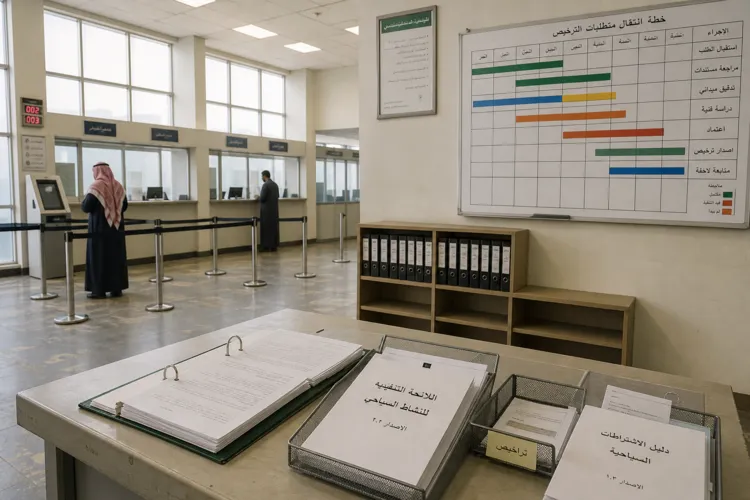
A hotel classification reset is now an operational deadline, not a branding exercise. Saudi Arabia’s Ministry of Tourism published updated regulations in Umm Al-Qura on 11 September 2026, and it said the changes revise hospitality classification as part of wider tourism rule updates. The amended hospitality-facility regulation is scheduled to take effect on 1 July 2027, with a 90-day compliance period after its effective date. For owners, operators, and lenders, the practical implication is simple. Treat classification status, safety readiness, and operating processes as asset fundamentals that must be auditable before peak demand periods and before any refinancing, acquisition, or operator change.
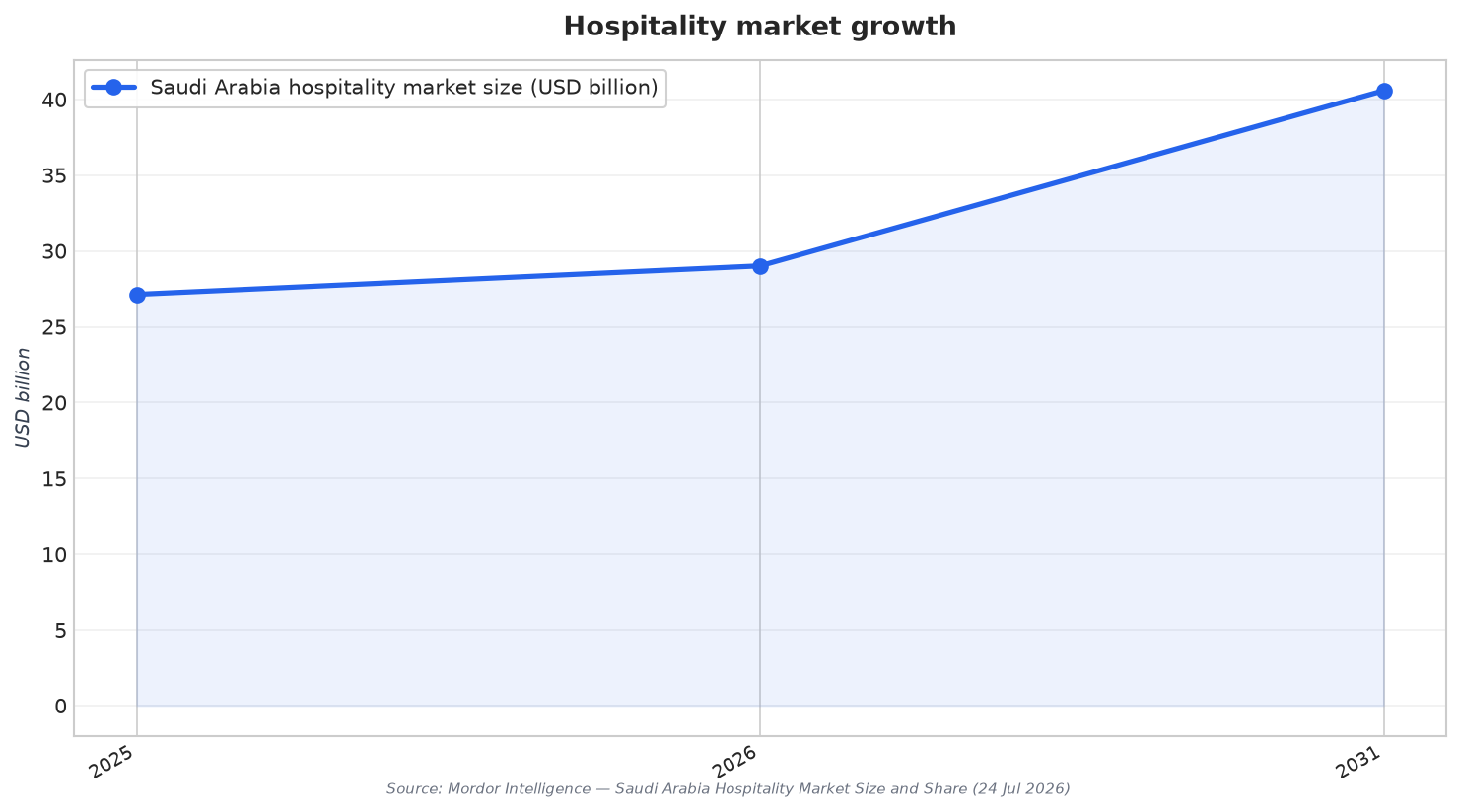
Preparation starts with a realistic view of scale and competitive pressure. GASTAT reported 4,425 licensed tourist hospitality facilities at the end of Q4 2024, including 2,163 hotels and 2,262 serviced apartments and other hospitality facilities. Over the same period, hotel room occupancy was approximately 56% in Q4 2024, down from 60.2% in Q4 2023, while the number of licensed hotels increased sharply. At the market level, Mordor Intelligence estimated the Saudi Arabia hospitality market at USD 29.02 billion in 2026, up from USD 27.14 billion in 2025, with projections reaching USD 40.58 billion by 2031 at a 6.93% CAGR for 2026–2031. More assets, more supply, and rule changes combine into a tighter “prove-it” environment for every property.
A Practical Readiness Checklist for the July 2027 Switch
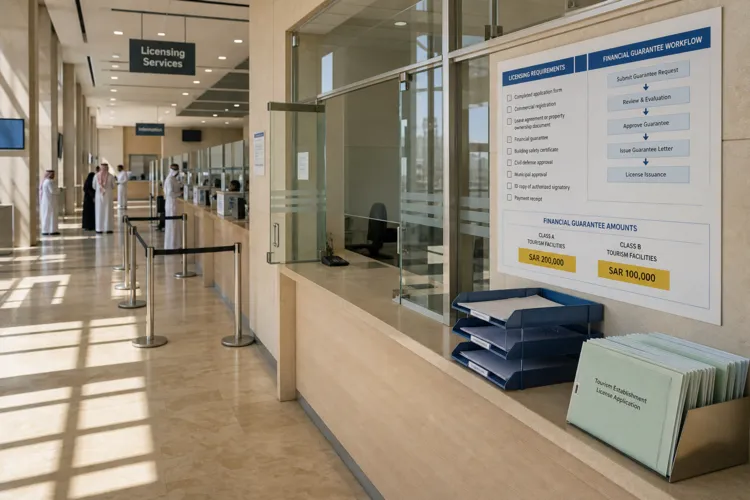
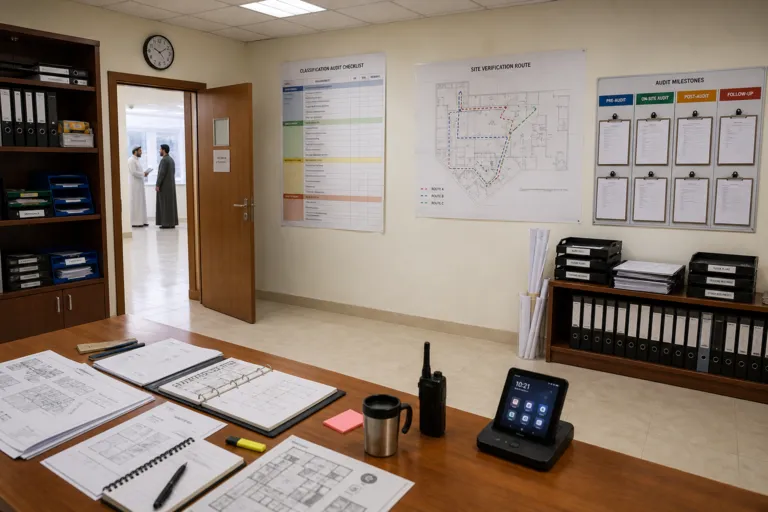
For hotel classification in Saudi Arabia, readiness should be managed as a sequence of verifications. Vision2030.ai notes that the operating path depends on asset type, and that hotels, resorts, hotel villas, heritage hotels, hotel apartments, camps, serviced apartments, and private tourist accommodation move through regulated licensing and classification channels. The Ministry service directory requires classification within 180 days of license grant, with site verification and classification fees for many hotel and resort categories. The same analysis cautions investors not to treat a development permit, land position, brand agreement, or construction milestone as equivalent to a licensed and classified operating hotel. As a transaction discipline, it recommends verifying title or lease rights, Ministry license, classification, Civil Defense clearance, municipal approvals, operator rights, utilities, room count, opening date, comparable occupancy, rate history, labor model, and source-market evidence.
Classification reset planning also sits inside a fast-evolving demand and distribution context. Mordor Intelligence reported that chain hotels commanded 57.74% of Saudi Arabia’s hospitality market share in 2025, while OTAs captured 41.65% of transactions that year, even as direct digital channels were growing at a 14.78% CAGR through 2031. Luxury led by accommodation class with 36.92% of the market size in 2025, while serviced apartments were advancing at a 12.57% CAGR through 2031. Regionally, the Makkah–Jeddah corridor held 26.62% of the market size in 2025, and the Red Sea and wider western coast were forecast to expand at an 18.20% CAGR to 2031. Operationally, this means classification evidence must align with how the hotel sells, takes reservations, and markets online, because the Ministry said the changes cover reservations, payments, and online marketing alongside security and safety requirements.
Owners should map the compliance window to their capital plan and demand calendar. Religious demand is a major swing factor. Mordor Intelligence reported Hajj attendance at approximately 2.1 million in 2025 and 1.71 million in 2026, with projections of about 2.3 million, and it cited a Vision 2030 target of 30 million Hajj and Umrah pilgrims annually by 2030. It also reported 18 million Umrah pilgrims in 2025 and an expectation to exceed 20 million in 2026, with average spending of USD 5,400 per pilgrim, and religious tourism generating about USD 30 billion in 2025 and about USD 34 billion in 2026. In parallel, the Ministry’s online portal enabled the temporary addition of 566,000 beds for Hajj 2025. Against that backdrop, the July 2027 regulation start date and the following 90-day compliance period should be treated as a non-negotiable governance milestone for any asset competing for peak-season demand and financing confidence.
When does the amended hospitality-facility regulation take effect, and how long is the compliance period?
What does the Ministry of Tourism’s regulation overhaul change for hospitality operators?
How many licensed tourist hospitality facilities and hotels were reported in Saudi Arabia?
What is a practical due-diligence checklist before buying or financing a Saudi accommodation asset?
How should hotel classification in Saudi Arabia be handled ahead of the 2027 reset?
Talk to us for your needs in:
-
Tourism Infrastructure Planning and Optimization
-
Destination Marketing and Brand Strategy
-
Tourism Workforce Development and Training
-
Sustainable Tourism Solutions
-
Visitor Experience Enhancement and Engagement
-
Tourism Project Feasibility and Strategic Planning
-
Saudi Tourism Benchmarking